Trail managers use boardwalks to cross muddy or wet areas or to provide access to interesting ecosystems like bogs. Many boardwalks are wide and built to accommodate wheelchairs and strollers. However, there are also narrower boardwalks, often in systems where the rest of the trail is not accessible. Boardwalks are usually made from wooden boards, but can also be made from composite or plastic materials.
Most trails in Maine utilize the natural surface of the area they travel through and in much of the state, that means dirt. Trails with dirt/forest floor surface can be cushiony narrow paths through spruce forests, but they also can be quite rooty or covered in leaves. Depending on the type of soil, dirt/forest floor trails can be quite muddy or wet after a rain or in the spring.
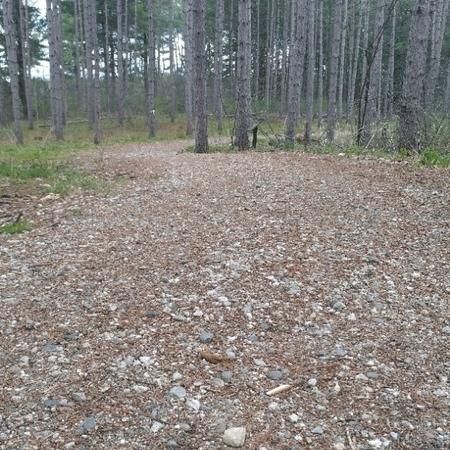
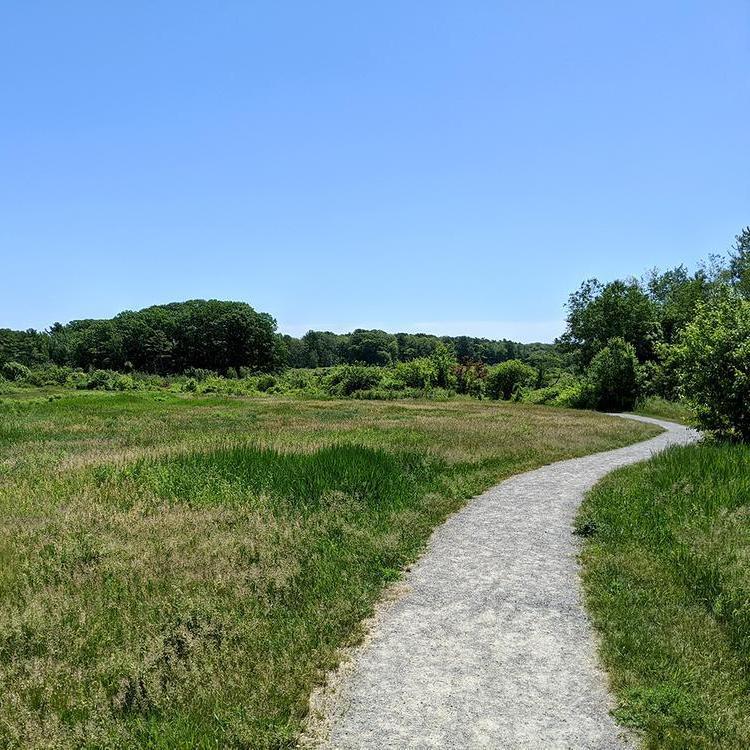
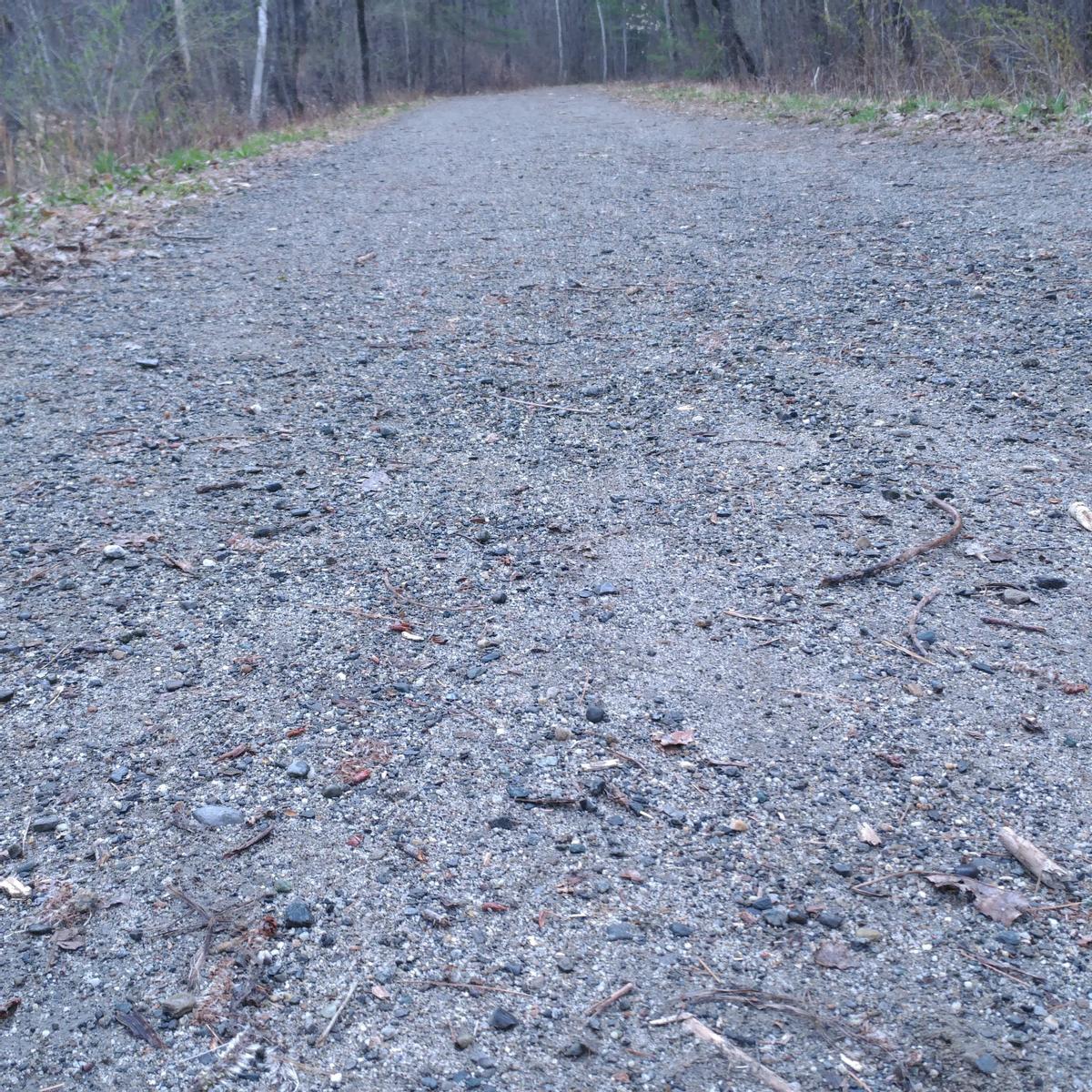
Trail managers sometimes import gravel and crushed stone to create a more uniform trail surface. The size of the stones in the gravel can vary greatly. Many managers also use a compacted rock dust surface which hardens enough that many types of wheelchairs and strollers can travel over it. Although they generally drain better than dirt/forest floor trails, they can still be a bit softer in spring or after heavy rain than in other parts of the year.
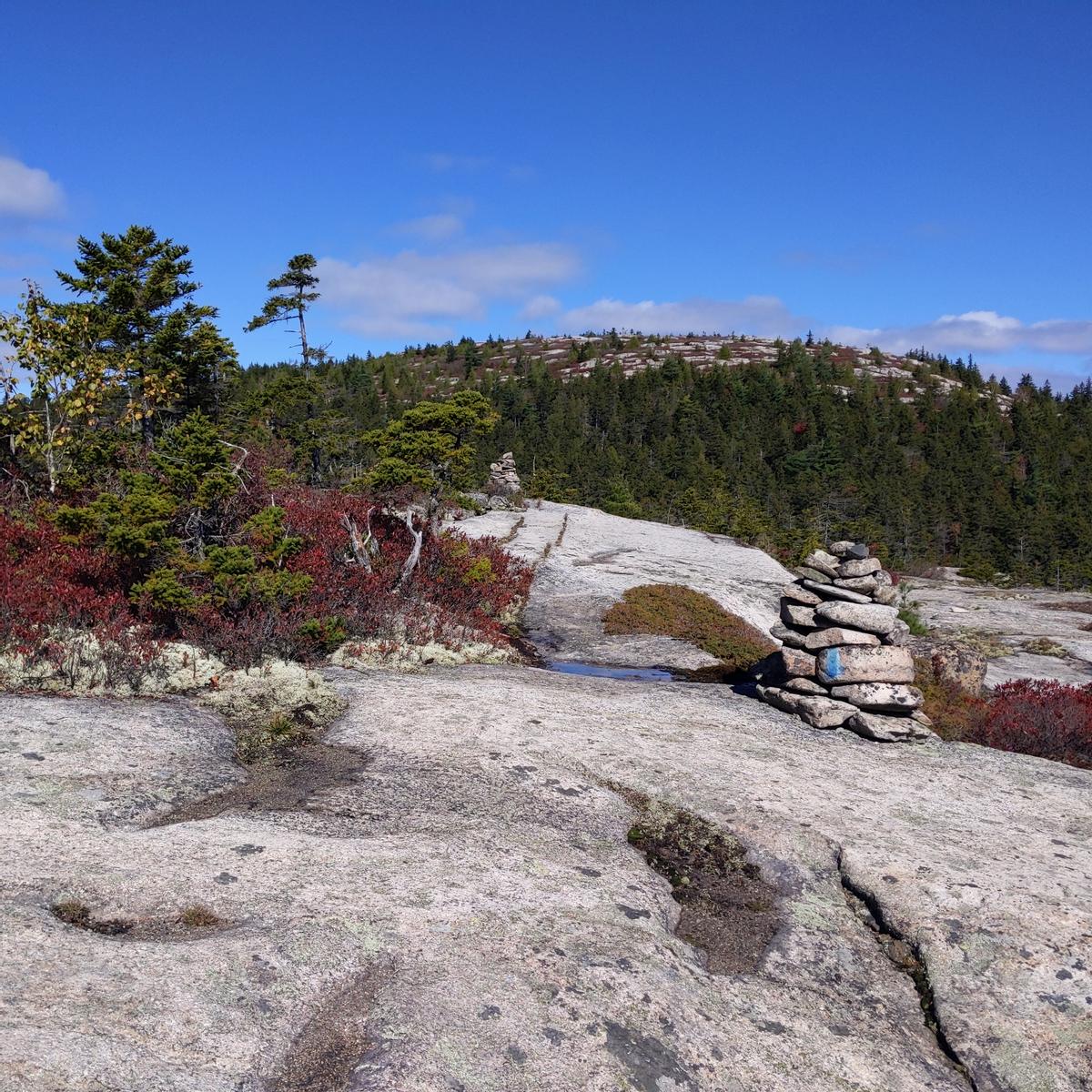
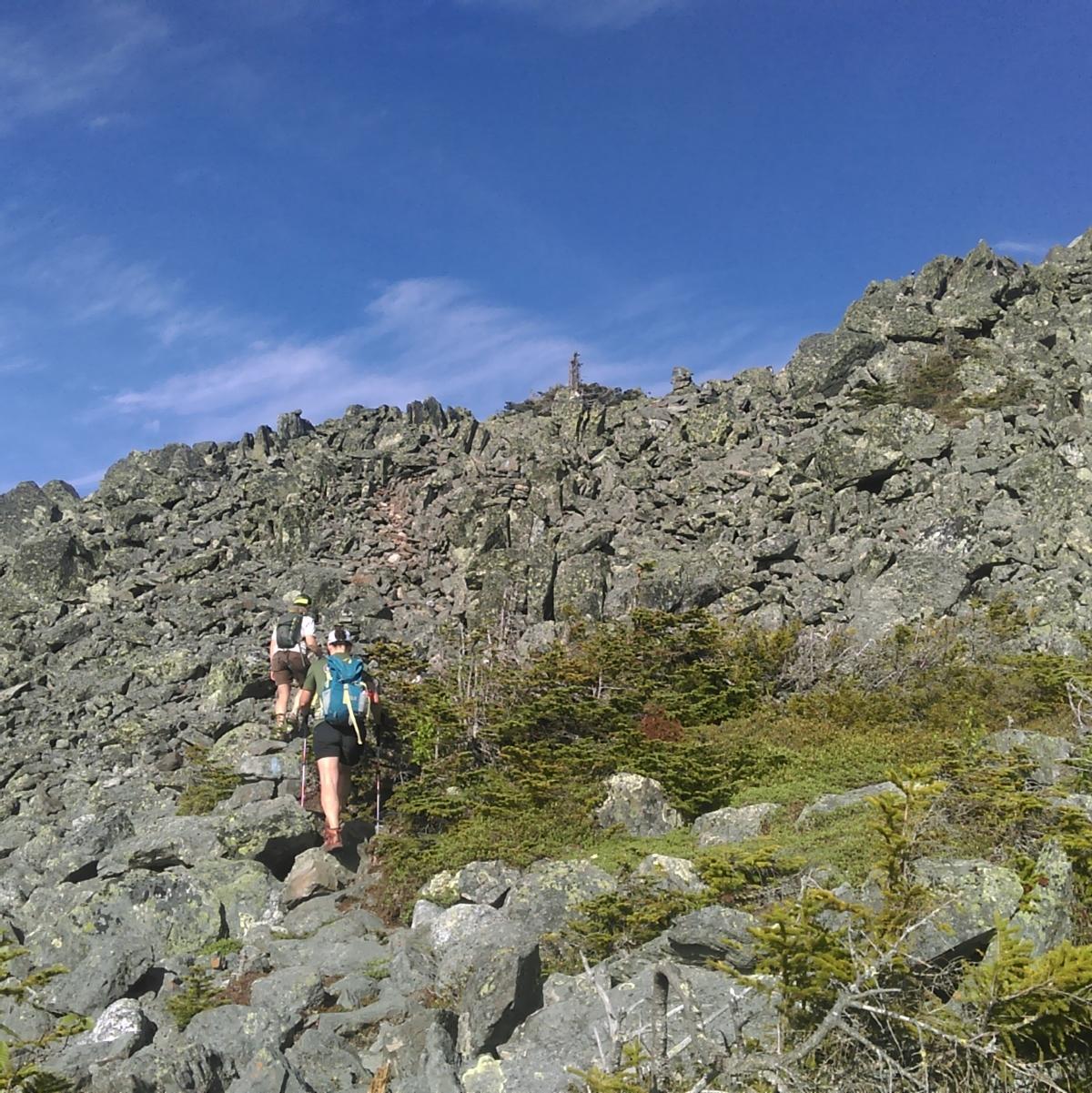
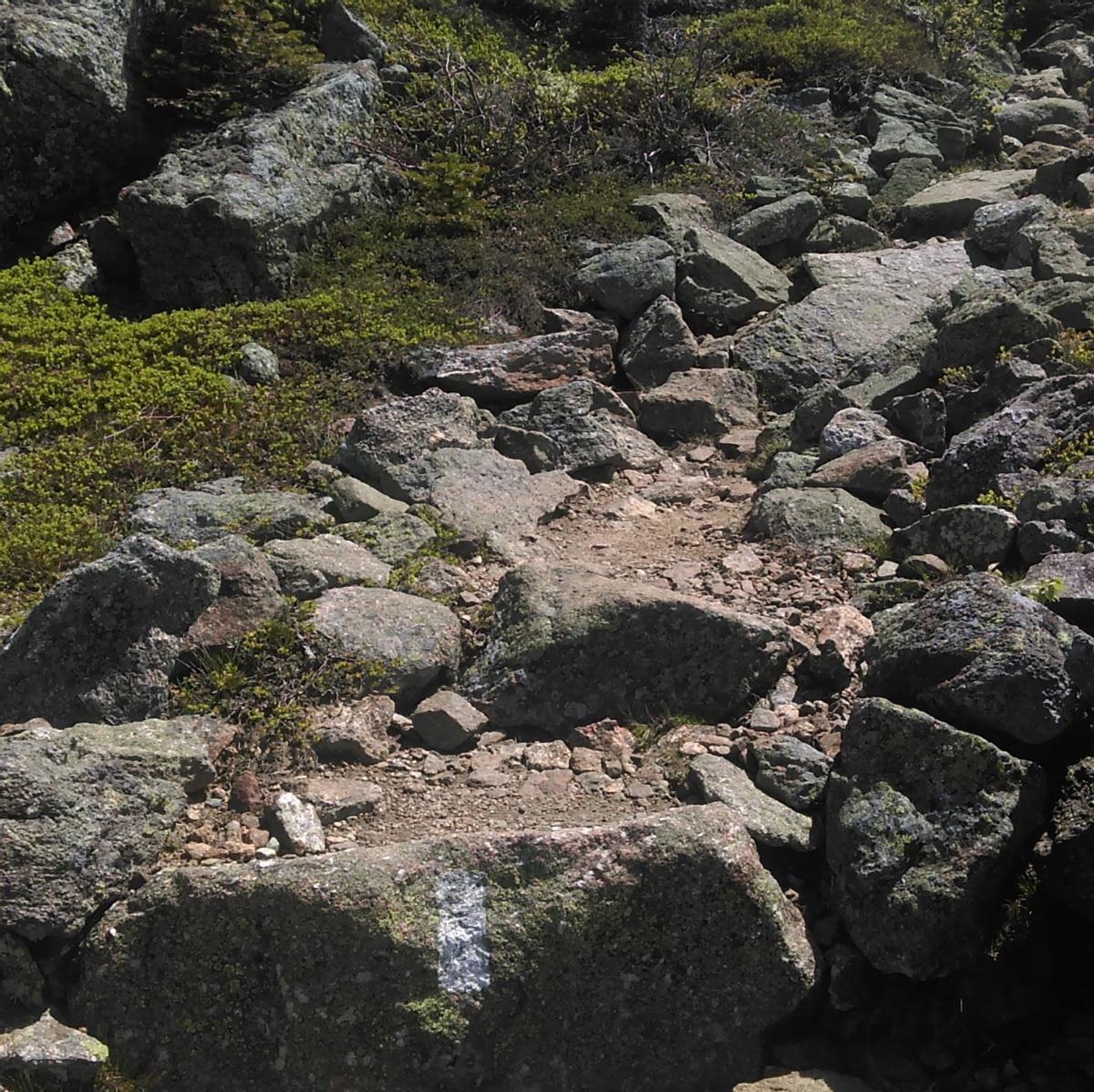
Maine is a very rocky state and you often have to travel over rocks and ledge to get to where you want to go! Ledge trails often use rock cairns or blazes painted onto the rocks to indicate where the trail goes. Often, ledge trails are in the mountains and are rated strenuous and advanced, but some easier coastal trails can also go over ledge. Depending on the type of rock, these trails can be slippery when wet.
Rocky trails are also found across the state, but especially in the mountains. Take care on mid to small-sized rocks because they can shift under your feet.
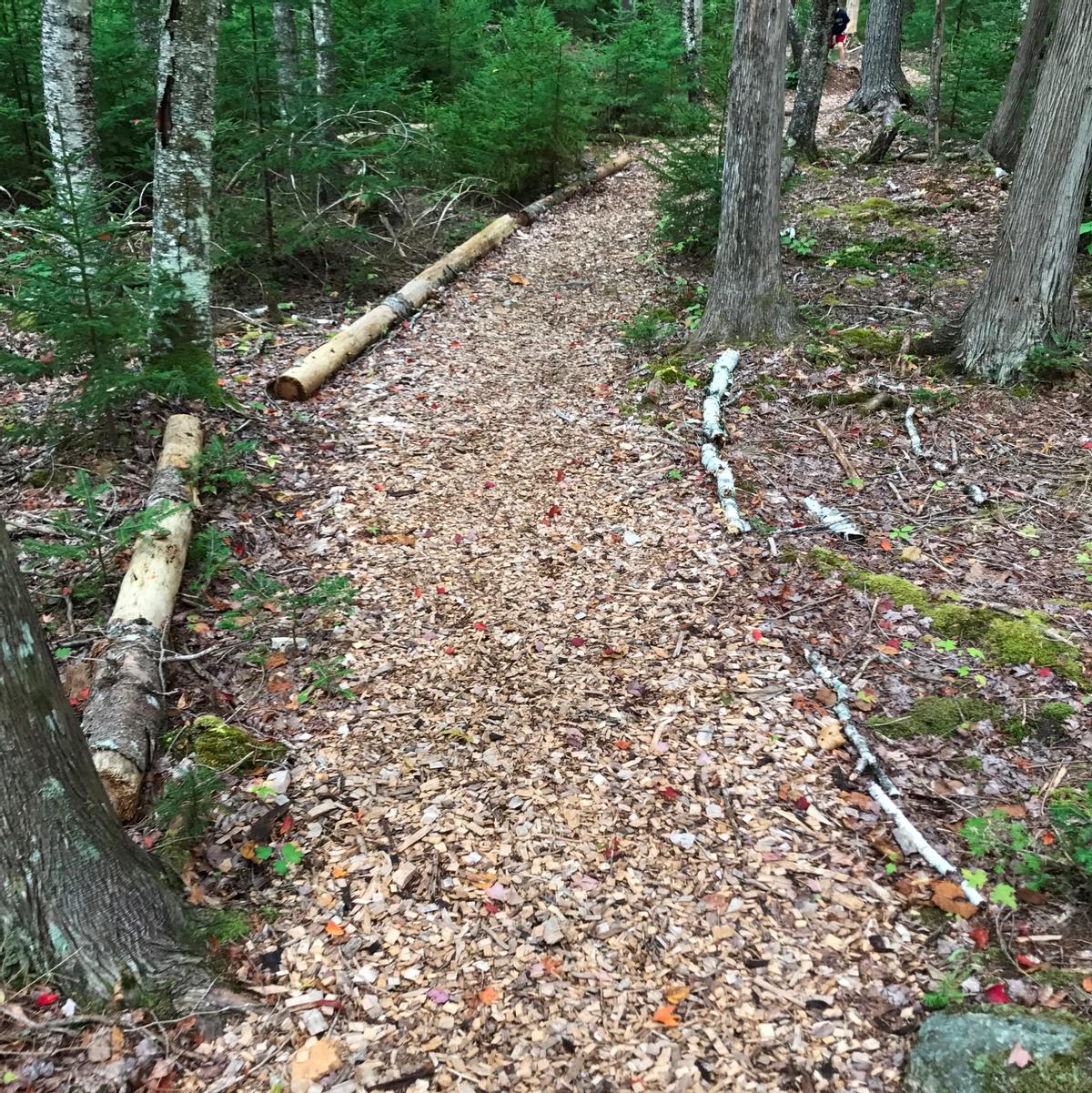
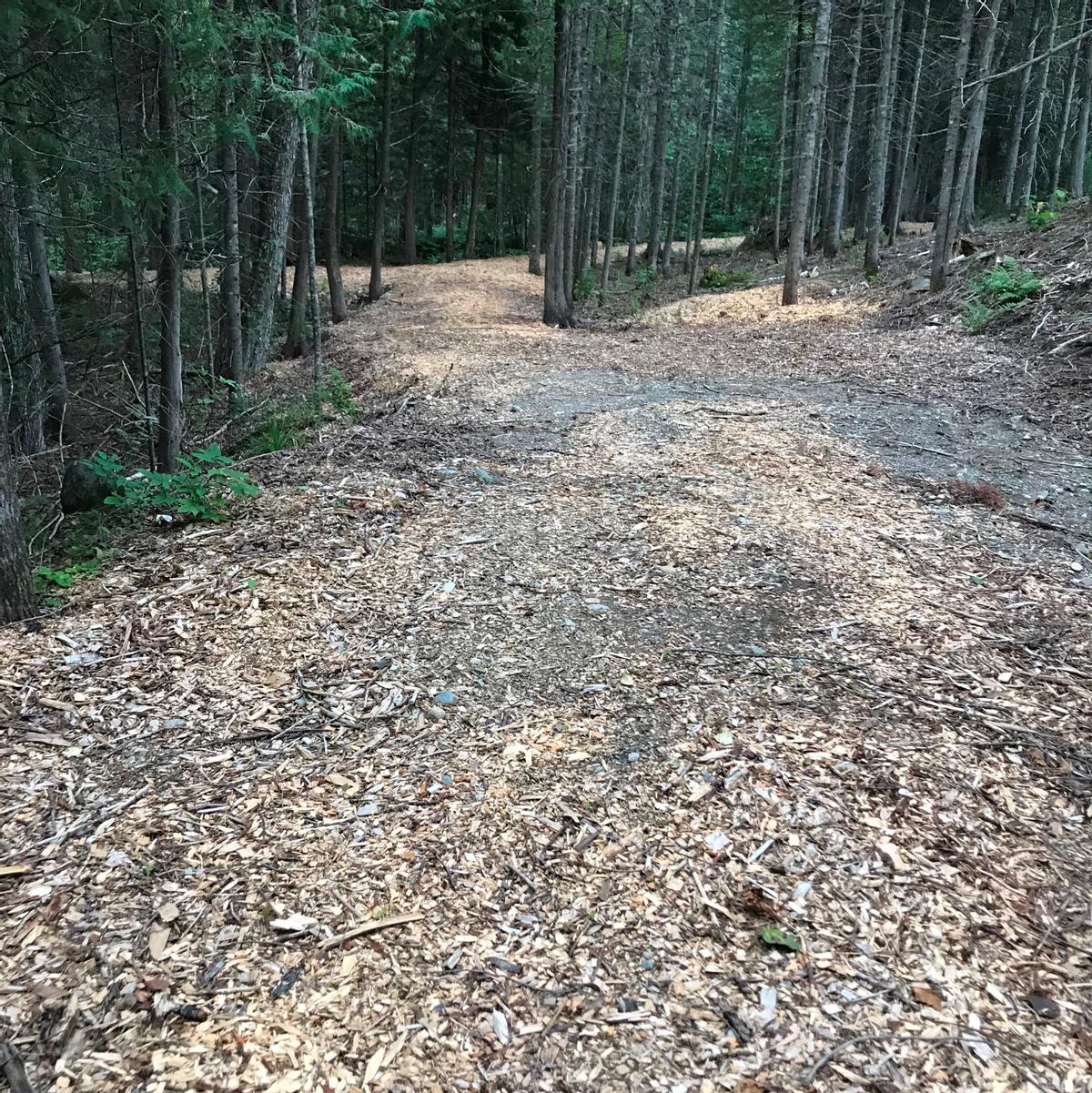
As with gravel, trail managers use wood chips to create a more even surface on trails. Woodchip trails can vary greatly because unlike gravel, they decompose over time and need to be replaced.
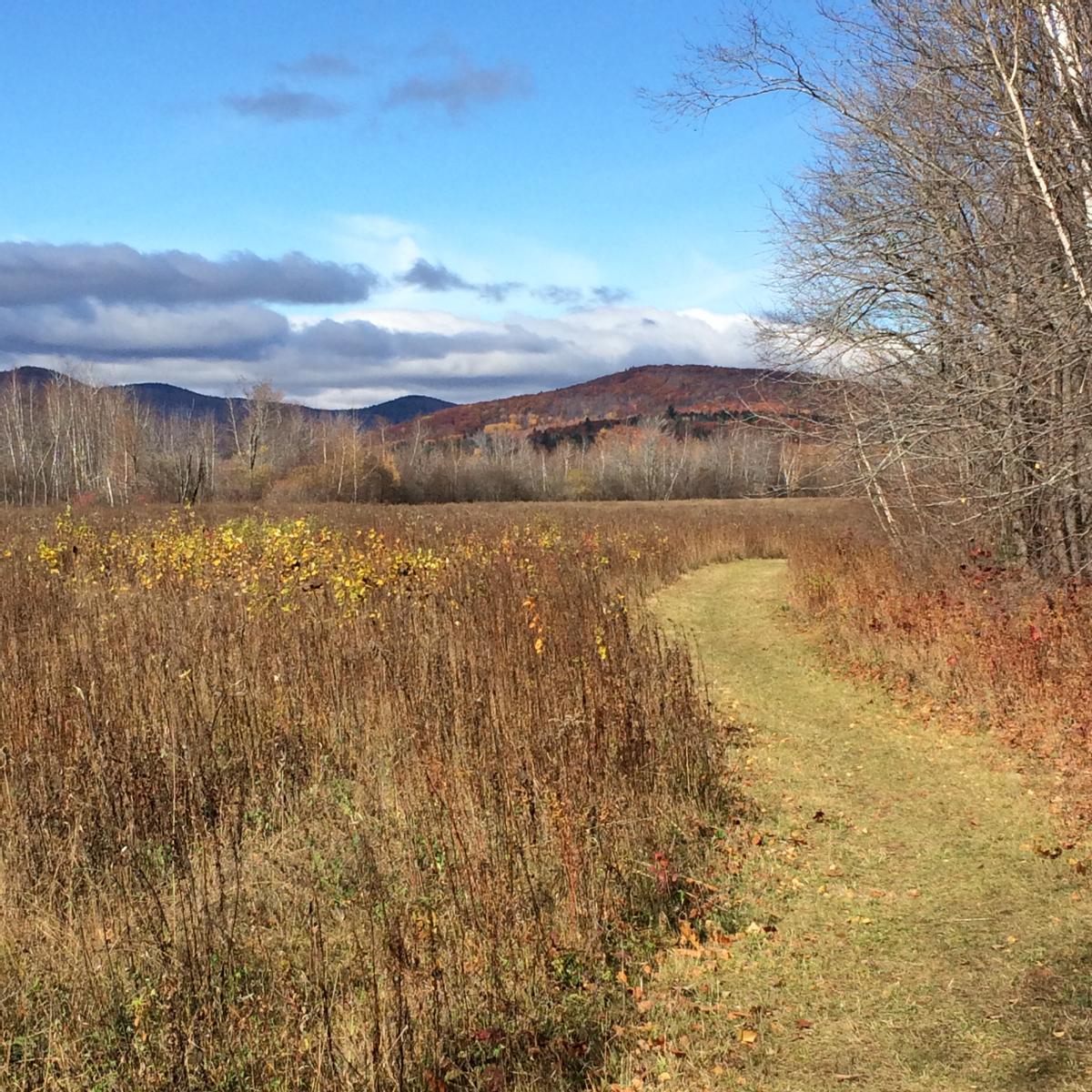
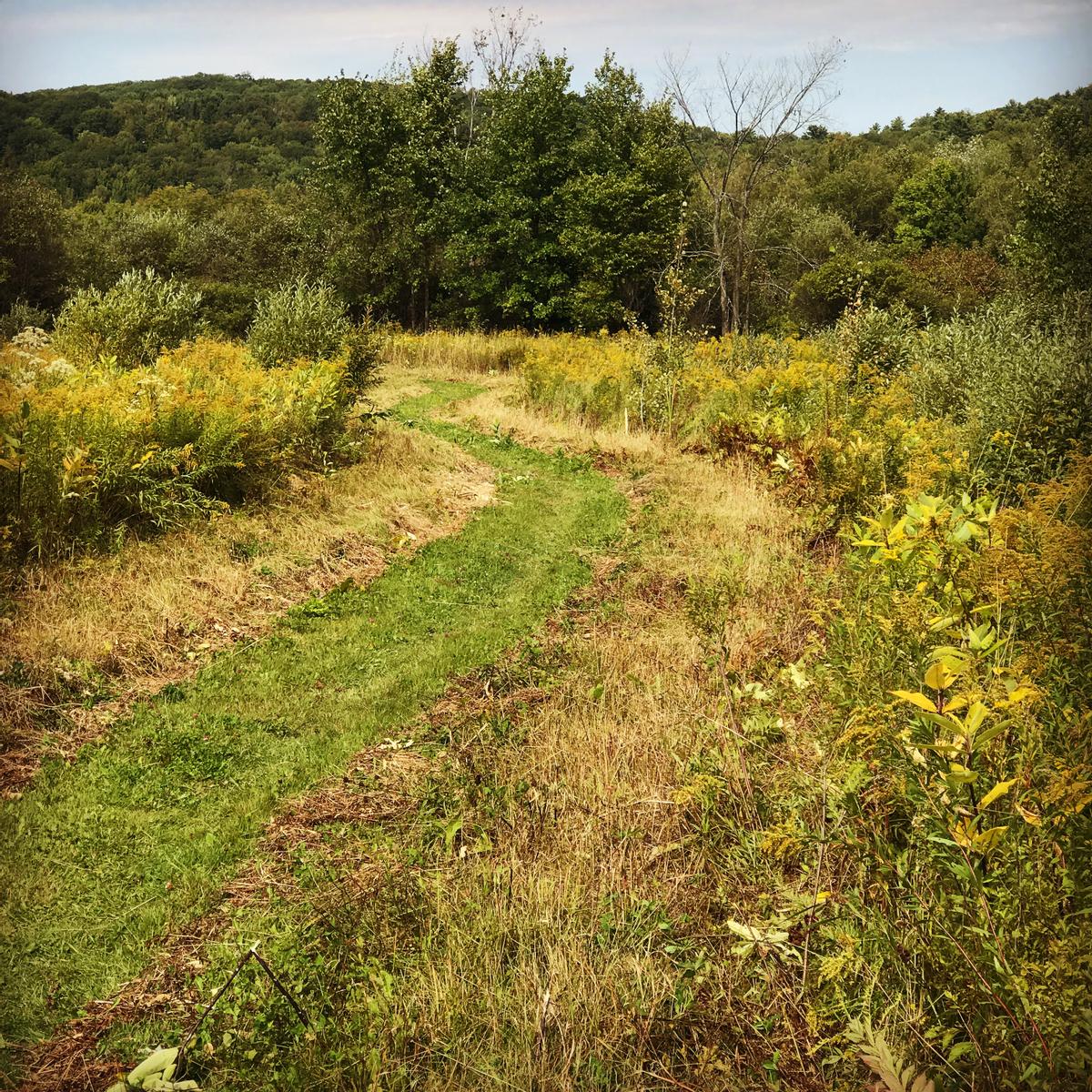
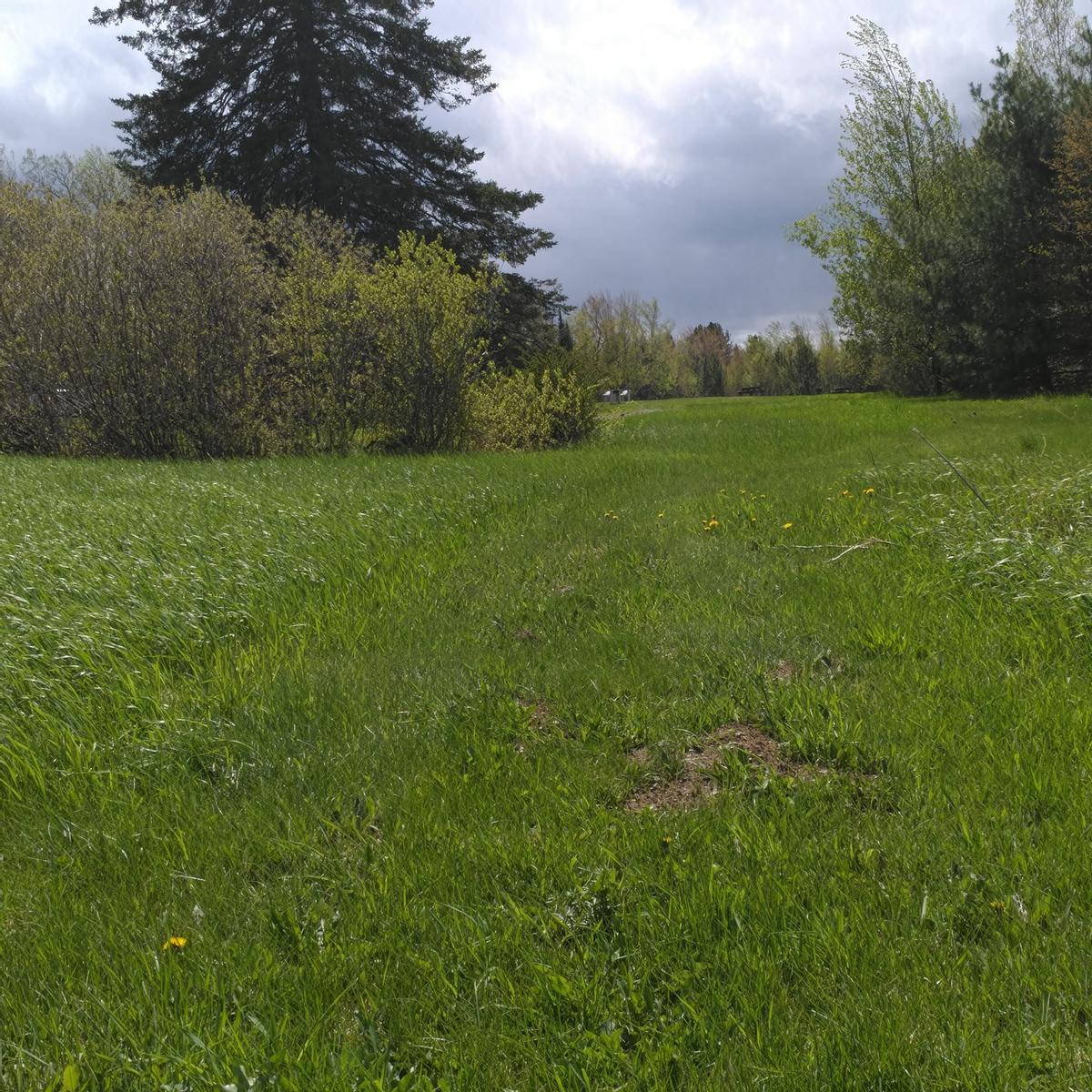
Mowed trails through meadows can be quite pleasant, particularly in the summer when wildflowers are blooming. The grass height can vary tremendously depending on the mowing schedule. Also, grass trails can be soft and wet in the spring or after a heavy rain.
Bog bridges fulfil a similar function to boardwalks, but are quite narrow and often are made of natural materials, such as from trees cut near the site. Take care when crossing bog bridges as they can be quite slippery when wet.
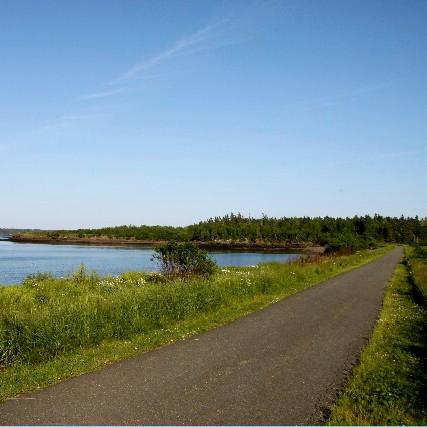
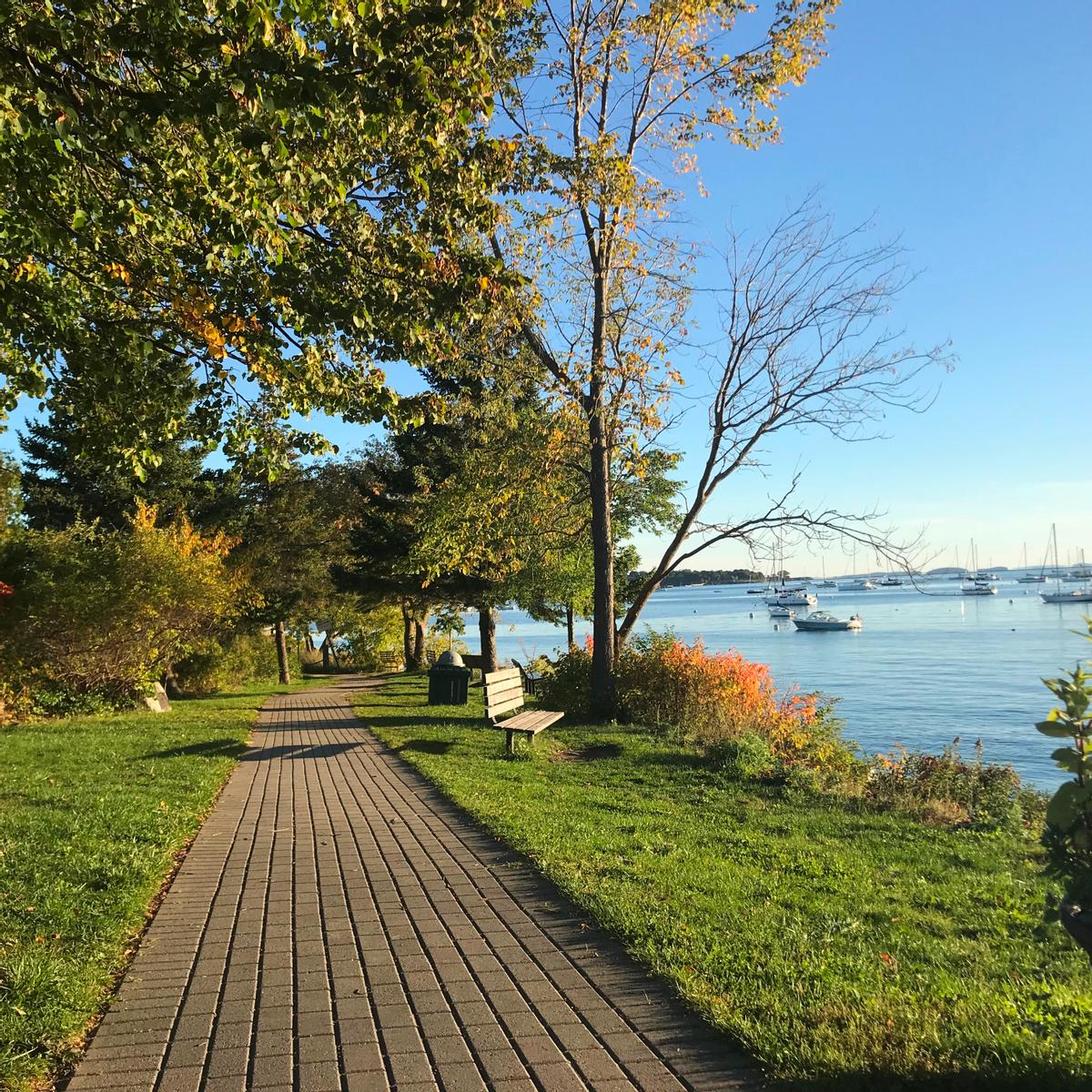
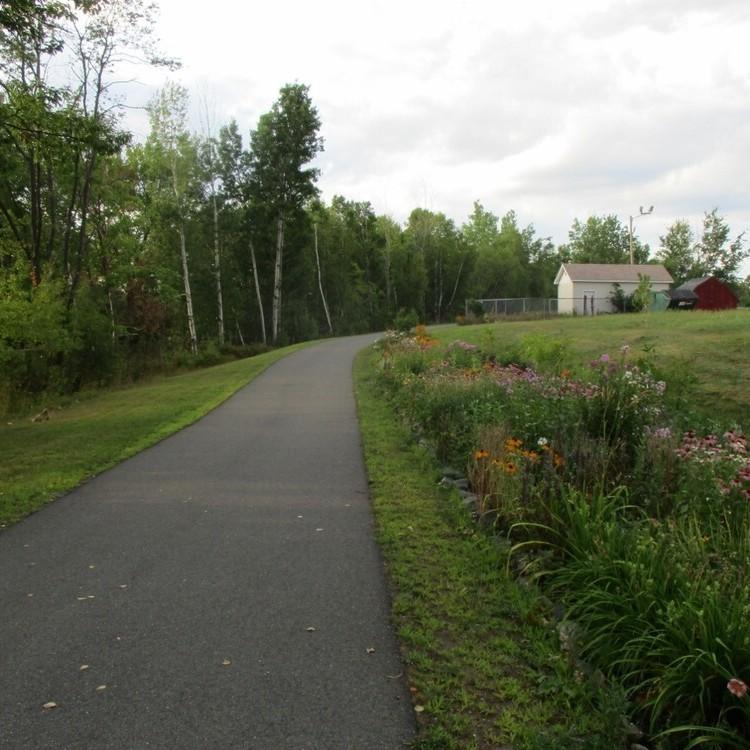
Paved trails are generally the most uniform trails in Maine. Usually they are paved with asphalt, but there are also brick and cement trails. Sometimes roots growing under the paved trail can create bumps that are hazardous to people using wheelchairs or strollers. Generally, paved trails are great in the spring and fall when other trails are muddy, but there can still be puddles.
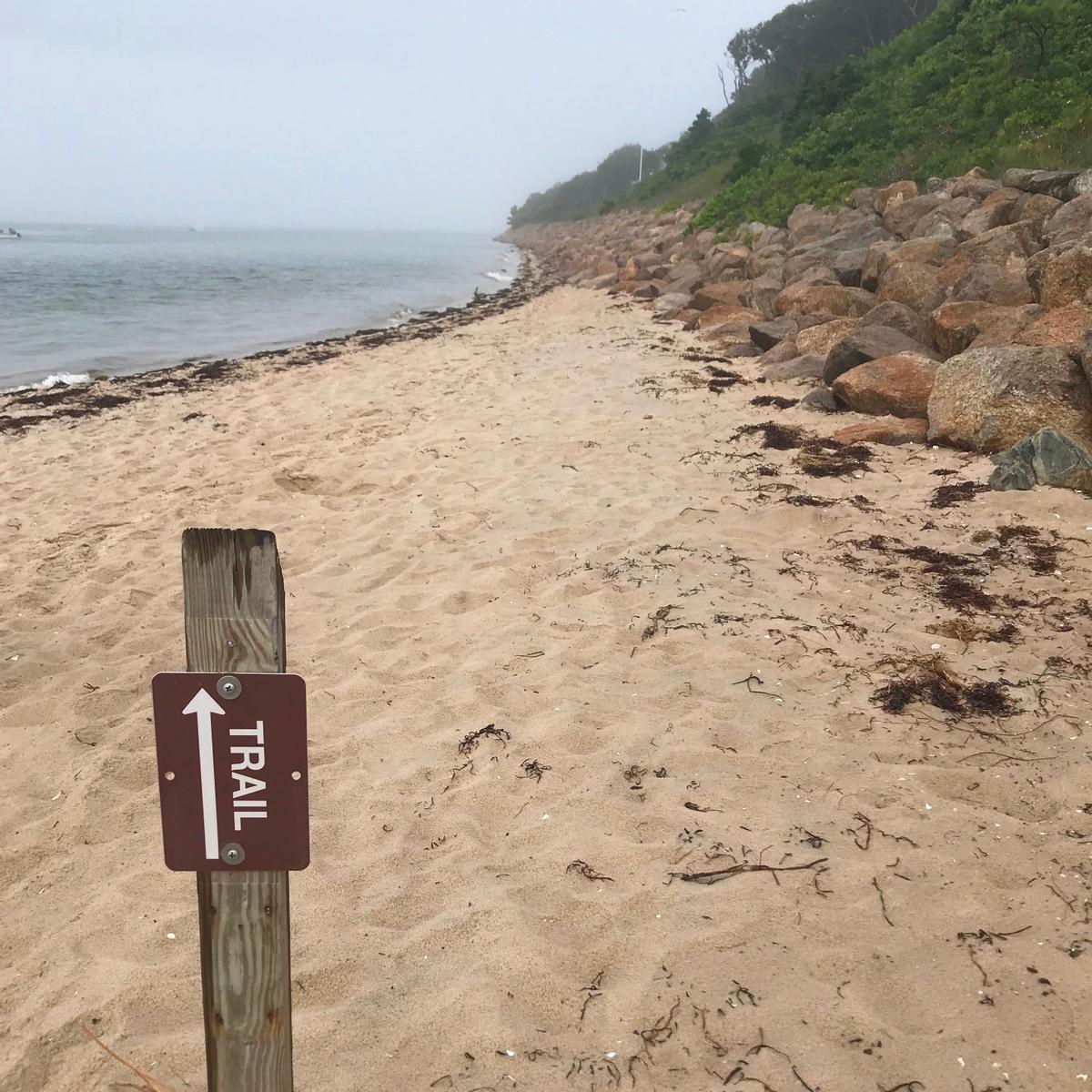
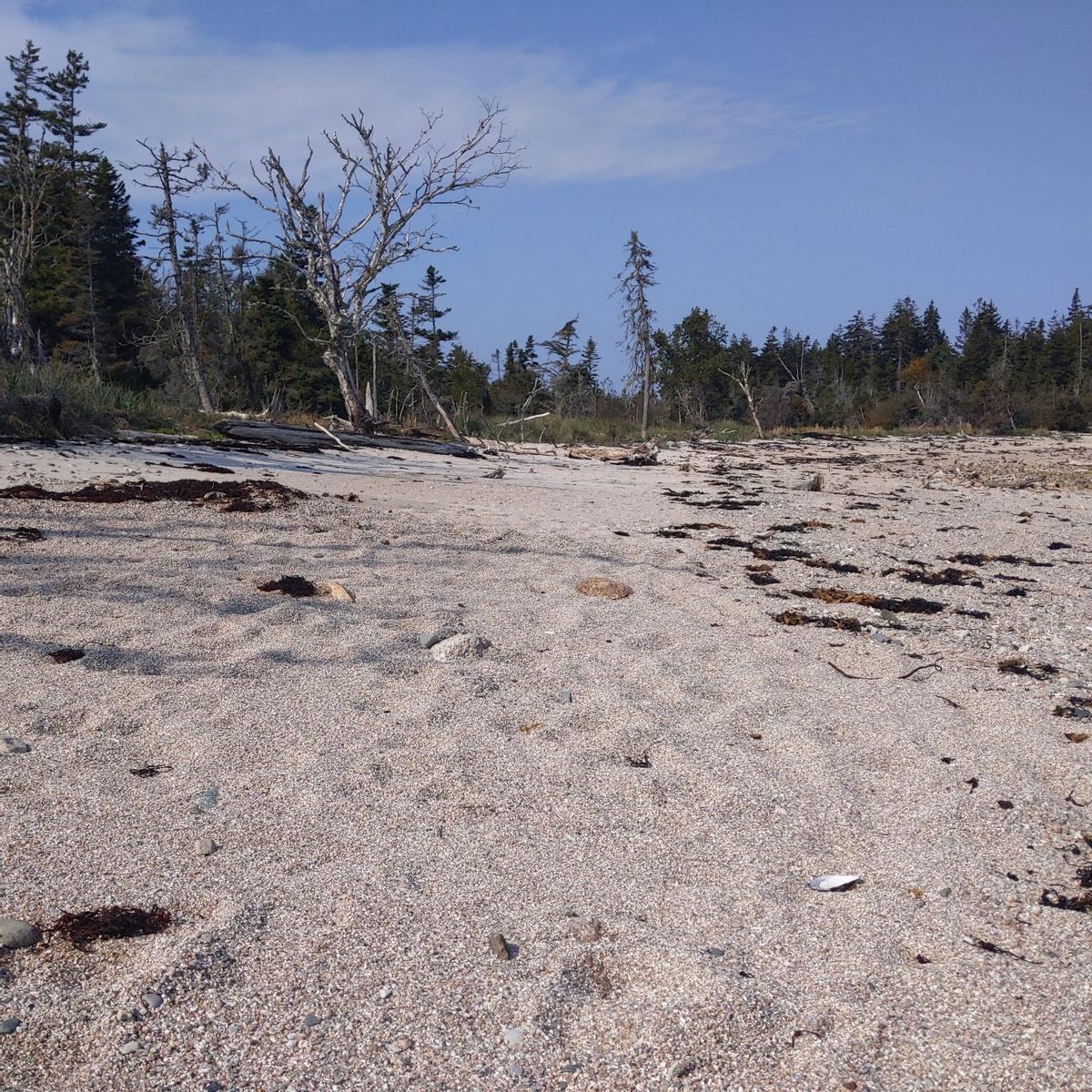
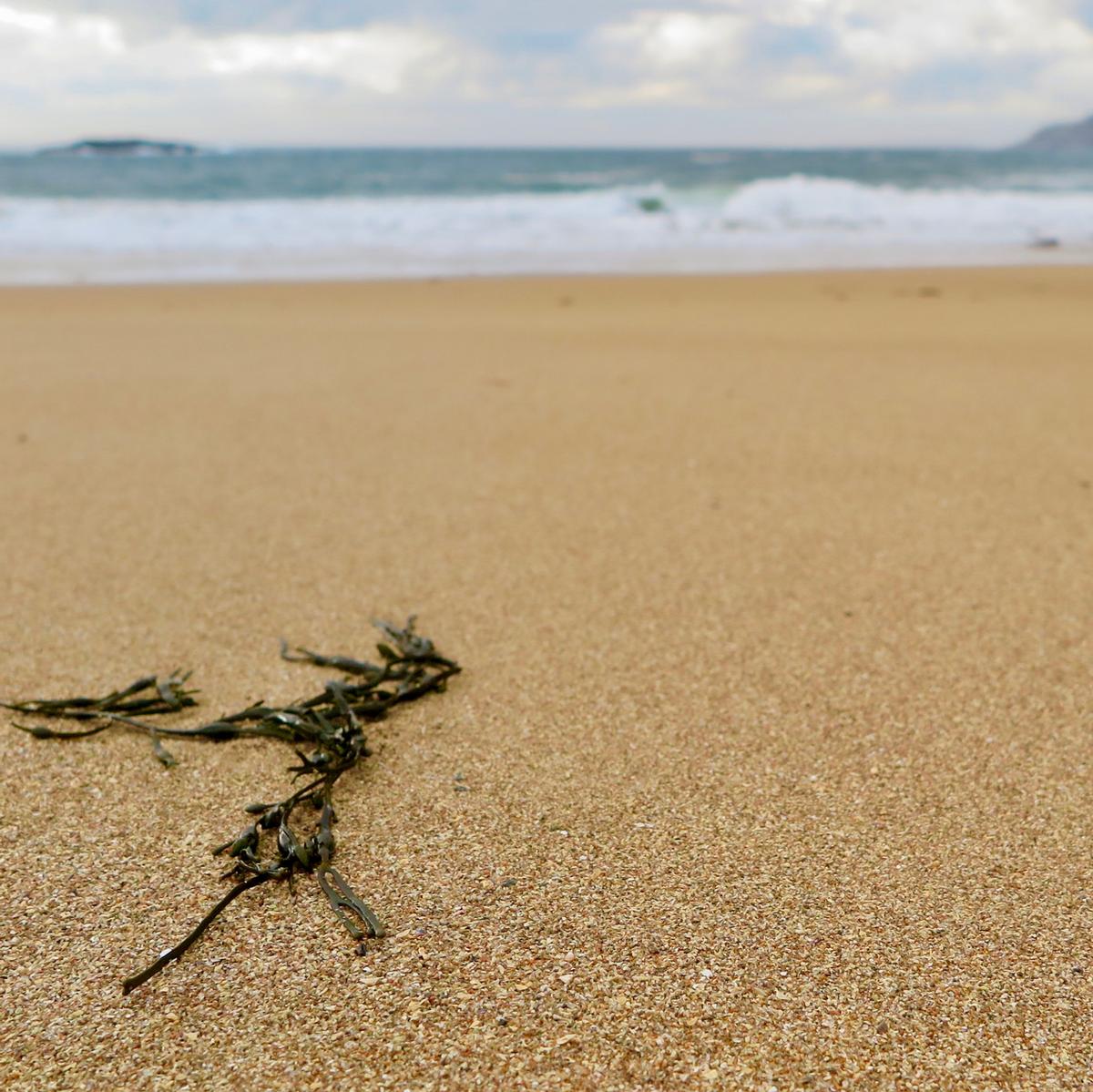
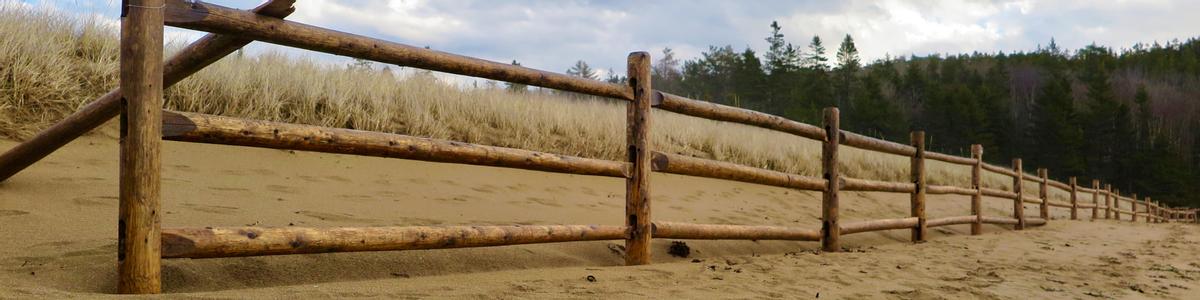
The sandy sections of trails are generally short, but they can take quite a bit of effort to cross if the sand is soft. Mostly, they are along the coast, but some lake-side trails also go through sandy areas.
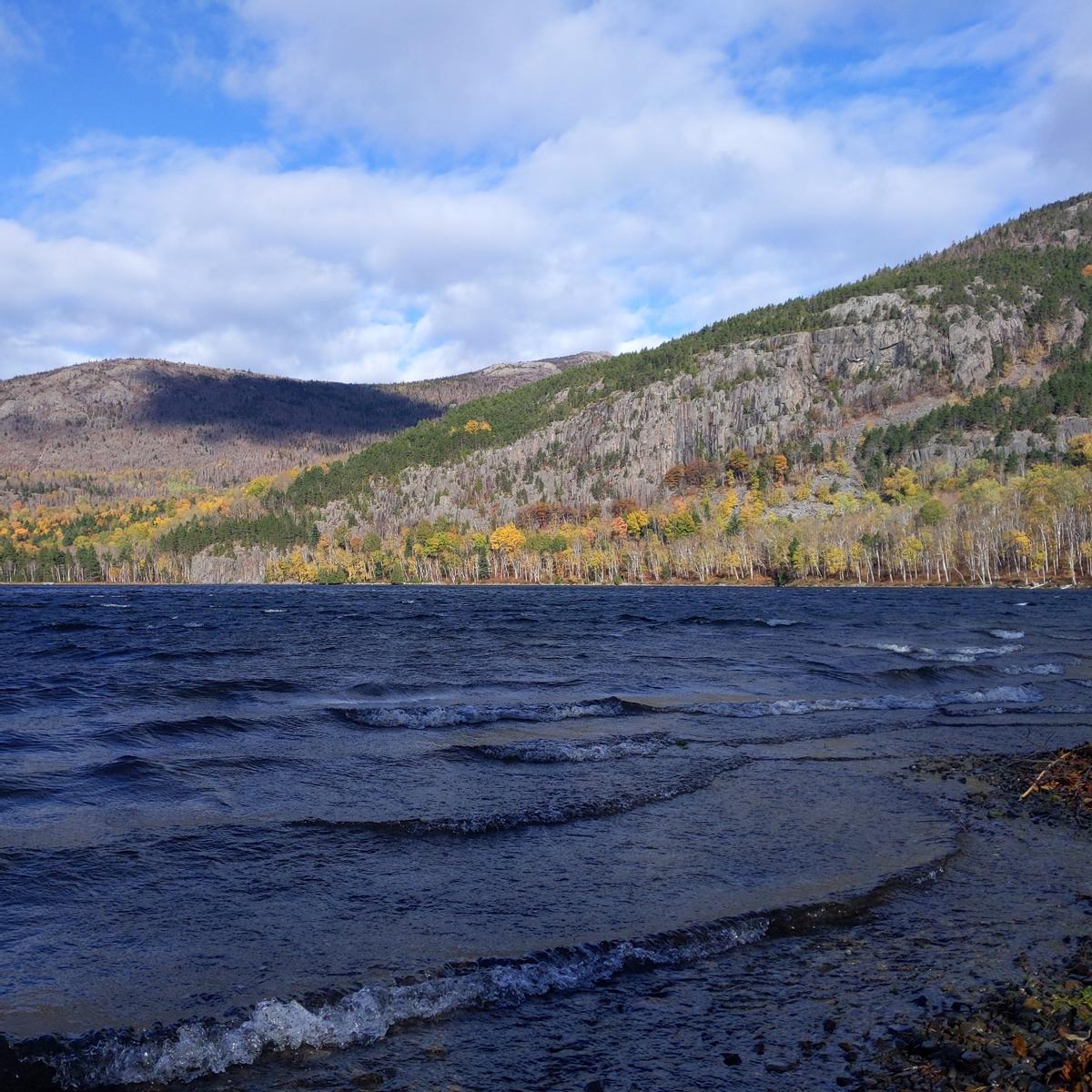
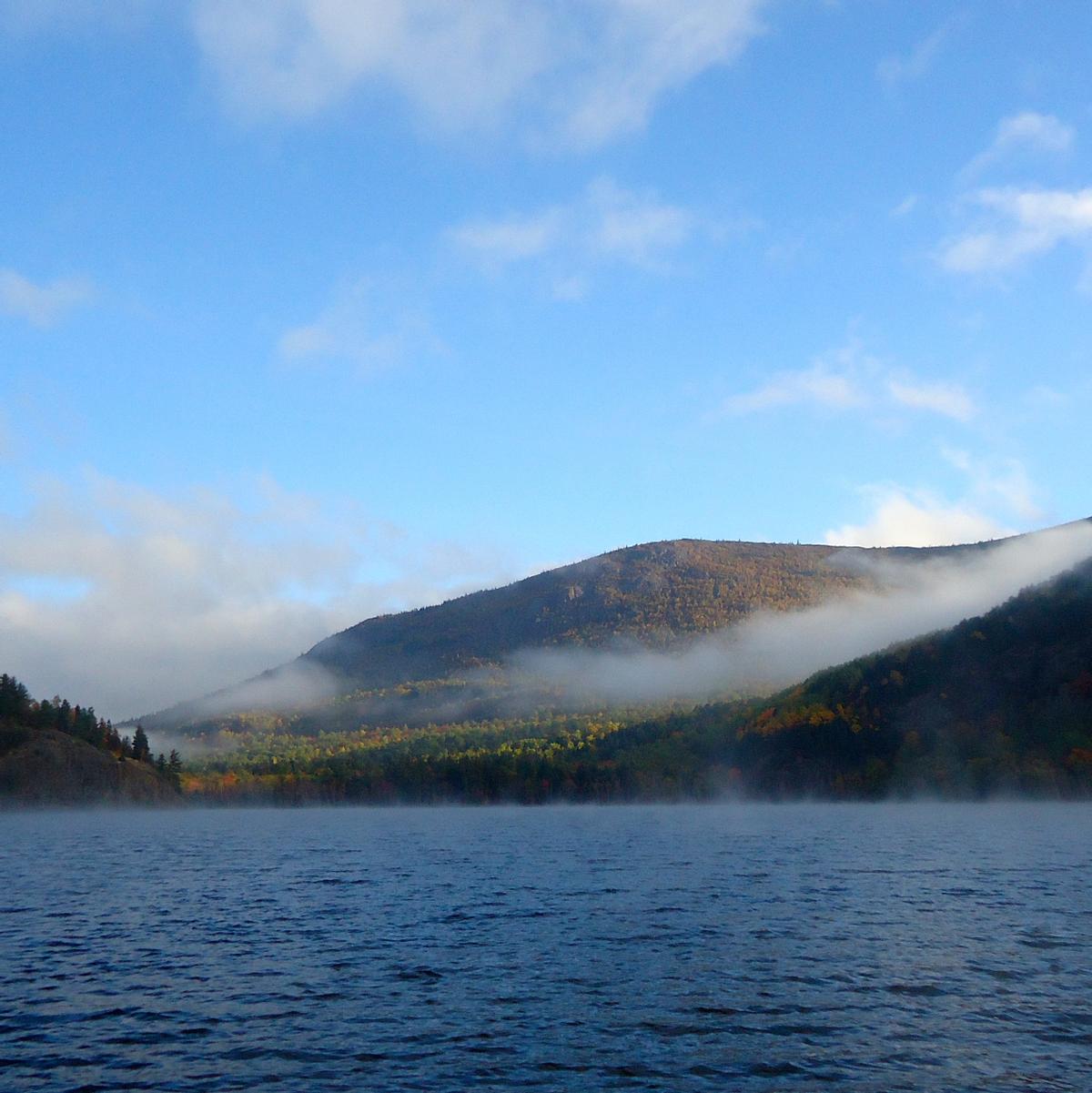
The two winter surface types, groomed and ungroomed snow, are primarily used to differentiate between types of ski trails. However, with the growing popularity of fat biking, more singletrack trails are being groomed for that specific purpose.
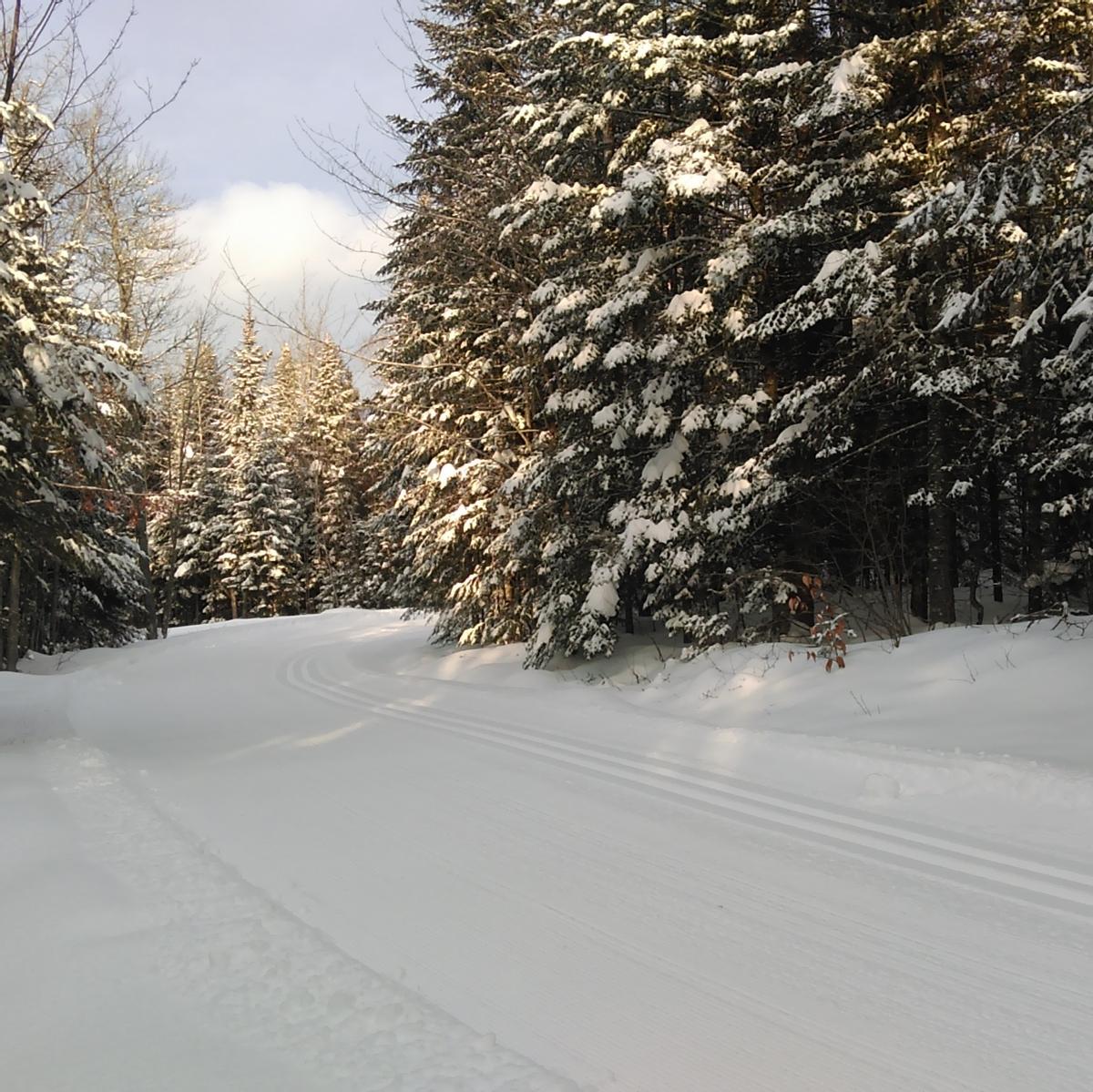
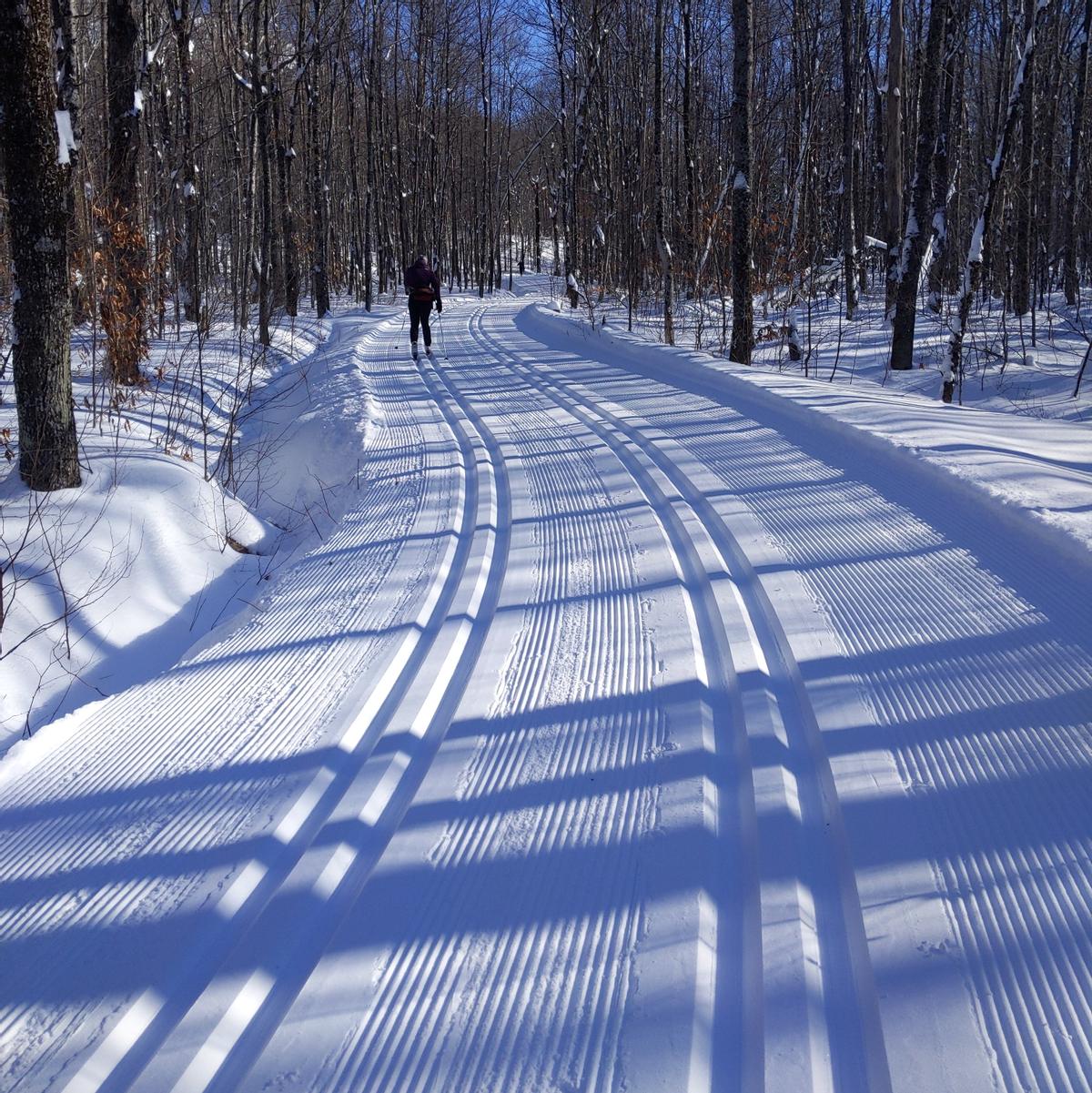
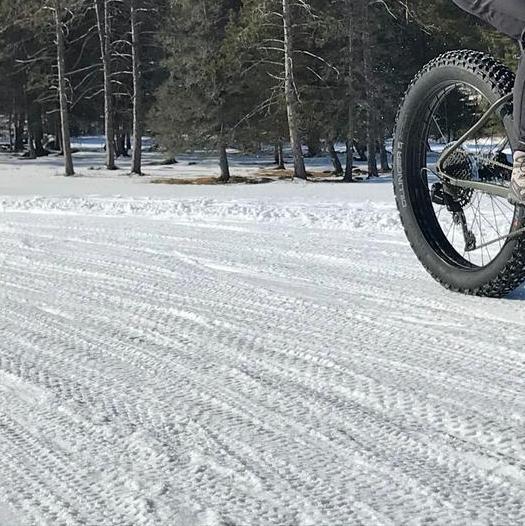
Groomed trails provide a smooth surface on which to ski or bike. Many wider trails have a smooth section for skate skiing and two narrow grooves, called tracks, for classic skiing. If you use this type of trail, please do not skate or snowshoe over the classic tracks. There are also narrower trails groomed only for classic skiing with one or two tracks. Other narrow trails are groomed specifically for fat biking.
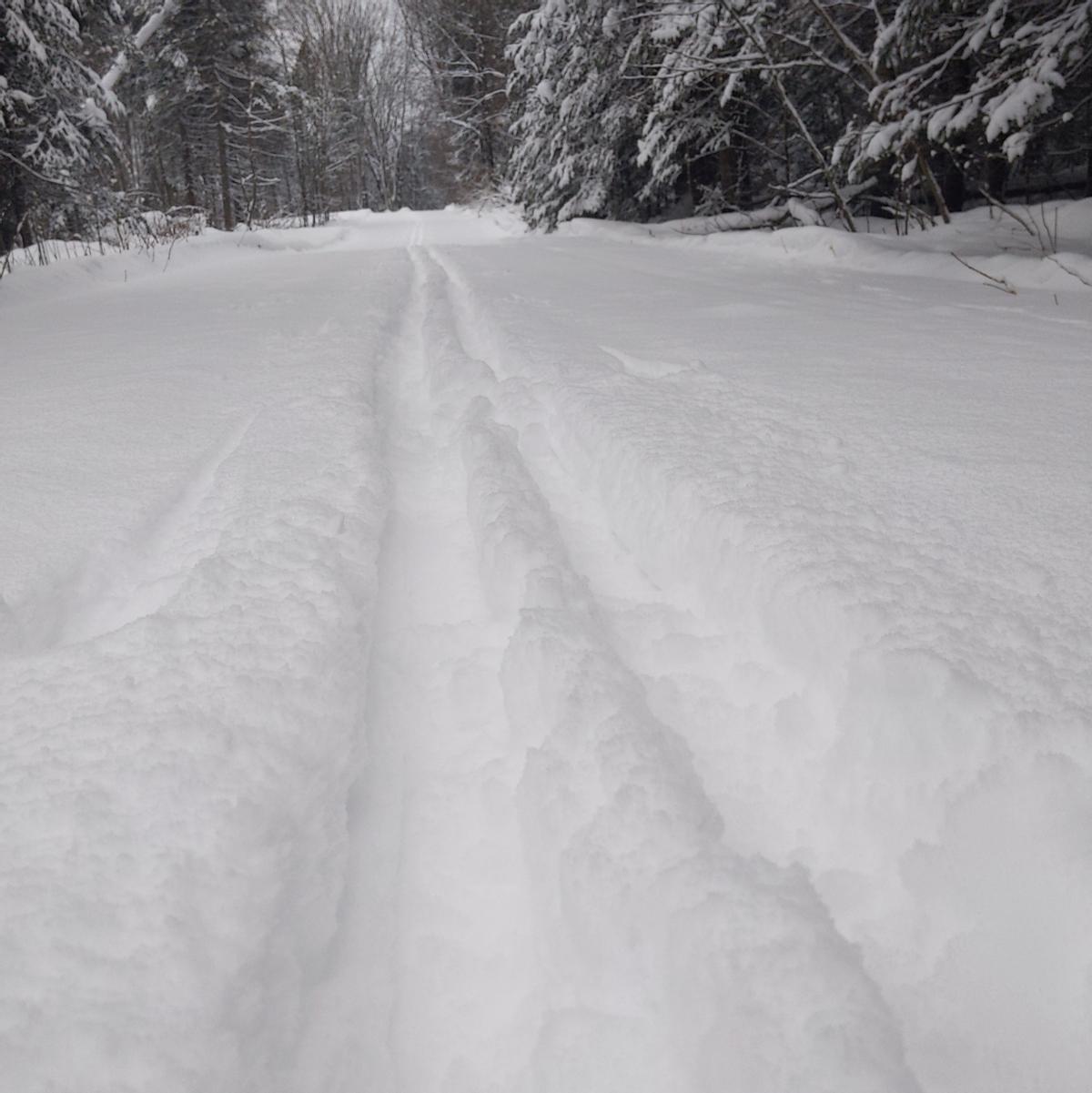
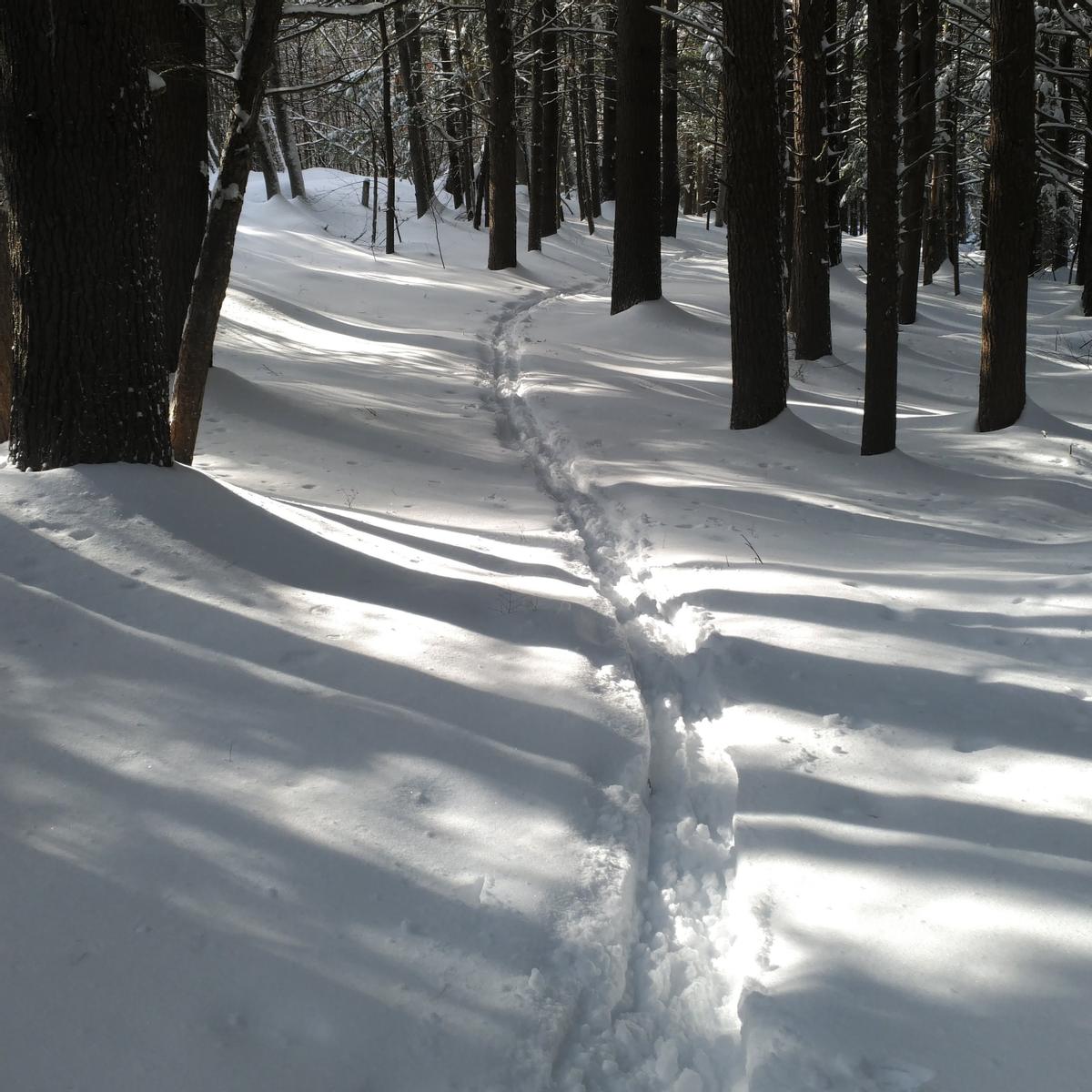
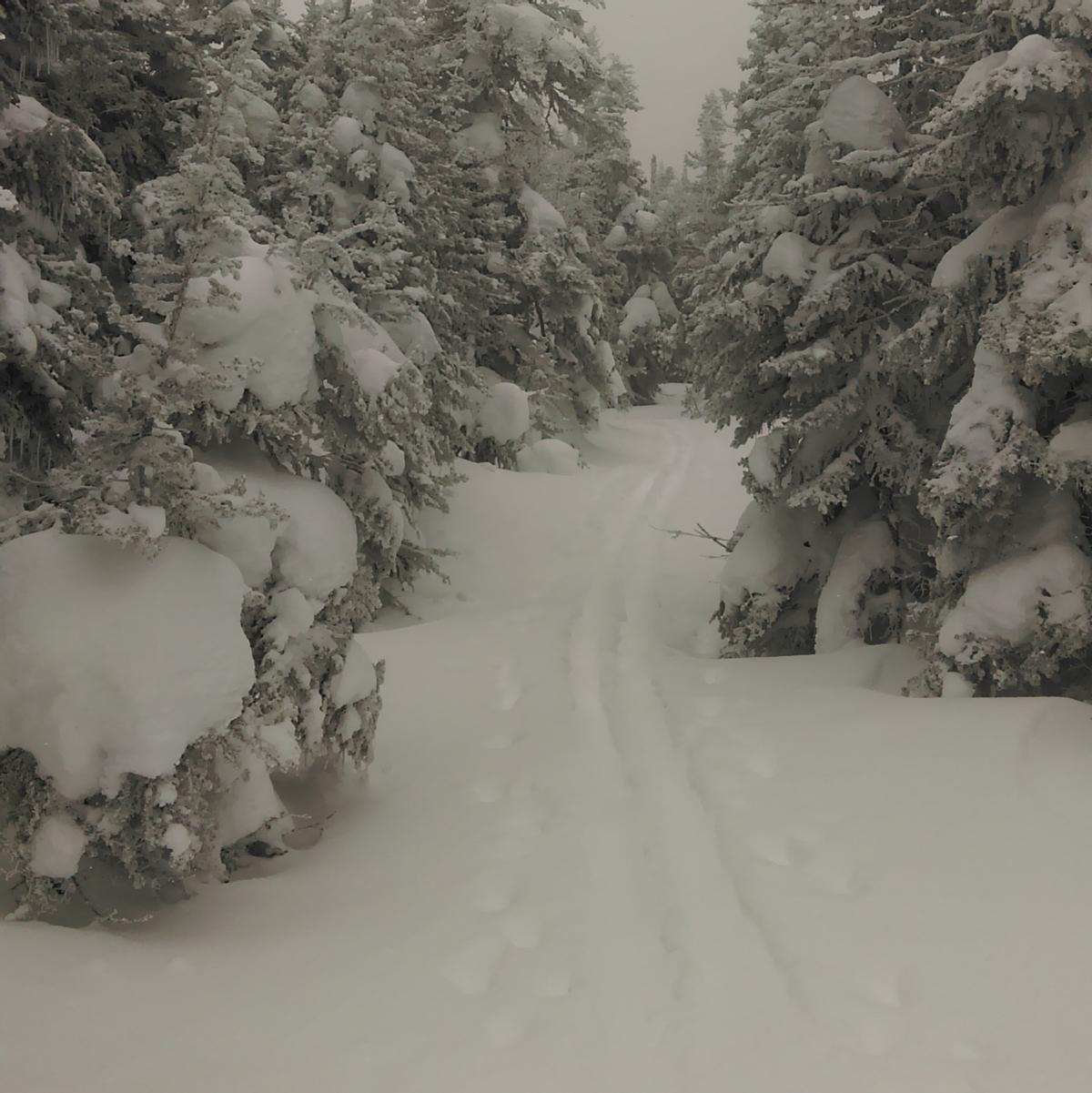
Most trails in Maine have an ungroomed snow surface in the winter. On Maine Trail Finder, we use this surface type specifically to describe ski trails that are not groomed. Usually, wider and metal-edged skis for helpful on these trails. Of course, hiking trails are ungroomed snow in the winter too - strap on a pair of snowshoes and get out there!
Success! A new password has been emailed to you.